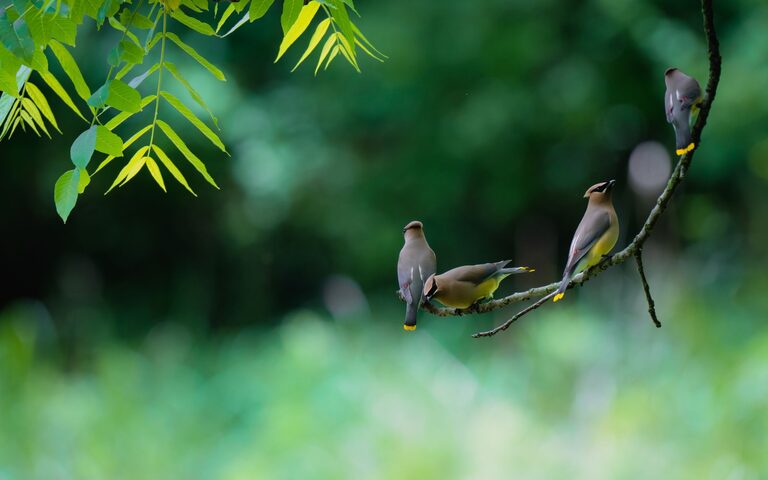
Birdwatching is a relaxing and rewarding hobby that lets you connect with nature without leaving your backyard. Whether you live in a city or the countryside, your outdoor space can become a haven for birds of all kinds. If you’re new to birdwatching, this guide will help you get started with easy and practical tips.
Why Backyard Birdwatching?
Birdwatching doesn’t require expensive gear or trips to faraway places. By observing birds in your own backyard, you can enjoy nature close to home, learn about local wildlife, and even contribute to citizen science by recording your sightings. Plus, watching birds can be a calming activity that brightens your day.
Getting Started: What You Need
Basic Equipment
You don’t need much to start birdwatching, but a few items can enhance the experience:
– Binoculars: A good pair of binoculars helps you see birds clearly without disturbing them.
– Field Guide or App: Use a bird identification book or a smartphone app to help identify species.
– Notebook or Bird Journal: Keeping notes of your observations helps you remember and track birds over time.
Setting Up Your Space
Create an inviting environment to attract birds:
– Bird Feeders: Different birds prefer different types of food. Having a variety of feeders attracts more species.
– Water Source: A birdbath or shallow dish with fresh water is an essential feature.
– Native Plants: Planting shrubs, flowers, and trees native to your area provides natural food and shelter.
Choosing the Right Feeders and Food
Types of Feeders
– Tube Feeders: Great for small songbirds like finches and chickadees.
– Platform Feeders: Attract larger birds and a variety of species.
– Suet Feeders: Popular with woodpeckers and nuthatches, suet provides high energy.
– Hummingbird Feeders: Filled with nectar solution for hummingbird enthusiasts.
Common Bird Foods
– Black-oil Sunflower Seeds: Loved by most bird types, easy to store.
– Nyjer (Thistle) Seeds: Attract finches such as goldfinches.
– Peanuts: Provide protein and fat; use shelled and unsalted.
– Suet Cakes: Offer energy for birds in colder months.
Best Practices for Feeding Birds
– Place your feeders where you can observe without disturbing birds.
– Keep feeders clean to prevent disease.
– Offer fresh food and water daily, especially during extreme temperatures.
– Rotate feeder locations to prevent squirrels and other pests from taking over.
Identifying Backyard Birds
Tips for Bird Identification
– Look at size, shape, and color patterns.
– Listen for unique bird calls and songs.
– Note bird behavior, such as feeding style or flight pattern.
– Use apps like Merlin Bird ID or Audubon Bird Guide to help with ID.
Common Backyard Birds in the US
– Northern Cardinal
– American Robin
– Blue Jay
– House Finch
– Mourning Dove
– Black-capped Chickadee
– Downy Woodpecker
Enhancing Your Birdwatching Experience
Observation Tips
– Watch quietly and patiently to avoid scaring birds away.
– Visit your birdwatching spot at different times of day.
– Use a blind or sit behind natural cover for better chances to see shy species.
Recording and Sharing
– Keep a birdwatching journal with dates, species, and notable behaviors.
– Share your sightings on birdwatching websites or apps like eBird.
– Join local birdwatching groups or online communities to learn and connect.
Seasonal Considerations
Bird activity changes with the seasons:
– Spring: Migration season brings a variety of birds. Provide fresh water and food.
– Summer: Nesting and feeding young birds; avoid disturbing nesting areas.
– Fall: Watch for migrating birds; clean feeders regularly.
– Winter: Food and water are scarce; keep feeders stocked and offer warm water if possible.
Common Challenges and How to Overcome Them
– Squirrels and Pests: Use squirrel-proof feeders or baffles.
– Weather: Provide shelter with trees or shrubs.
– Diseases: Regularly clean feeders and birdbaths.
Final Thoughts
Backyard birdwatching offers the chance to enjoy wildlife daily, learn about nature, and relax outdoors. Start simple with a feeder and some basic tools, and you’ll soon discover the joy of welcoming feathered friends to your garden. Remember, patience and observation are key. Happy birdwatching!
About the Author