
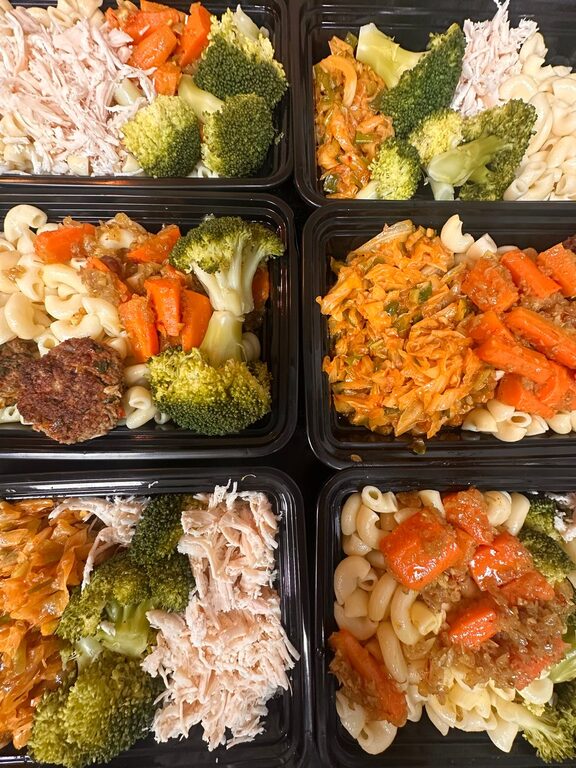
Creating a weekly meal plan can transform your cooking routine from chaotic to calm. Whether you’re cooking for yourself, a family, or roommates, having a plan can save you time, reduce last-minute stress, and help you eat healthier. If you’ve never made a meal plan before, don’t worry! This guide will walk you through the simple steps to create a weekly meal plan that fits your lifestyle.
Why Create a Weekly Meal Plan?
Before diving in, let’s look at why meal planning is worth your time:
– Saves Time: Planning ahead means fewer trips to the grocery store and quicker decision-making during busy weekdays.
– Reduces Stress: Knowing what’s for dinner removes the daily question of “What should I cook?”
– Helps Budget: Planning meals lets you buy only what you need, reducing food waste and impulse purchases.
– Supports Healthy Eating: Planning encourages balanced meals and helps avoid last-minute unhealthy options.
– Adds Variety: You can plan different dishes to keep meals interesting without repeating the same foods constantly.
Step 1: Assess Your Week Ahead
Start by looking at your upcoming week. Consider:
– How many meals will you need to plan? (e.g., just dinner, or all meals and snacks)
– Are there any special events, work commitments, or social plans that affect mealtime?
– How much time will you have for cooking each day?
Writing this down helps set realistic expectations for your plan.
Step 2: Choose Your Meals
Keep It Simple
Focus on meals you already enjoy or want to try that are straightforward to prepare. For beginners, aim for:
– 3–4 main dishes for the week
– Some flexible sides like salads, steamed vegetables, or rice
Mix and Match
Plan meals that can work in multiple ways. For example:
– Grilled chicken can be served with roasted veggies one night and made into a salad the next.
– Cook a big batch of soup or chili to enjoy for several days.
Incorporate Leftovers
Intentional leftovers save time. Plan meals that produce enough for lunch or dinner the following day.
Step 3: Create a Meal Template
Having a rough template can make meal planning quicker. Here’s an example:
| Day | Breakfast | Lunch | Dinner |
|———–|——————|—————–|——————-|
| Monday | Oatmeal & fruit | Chicken salad | Stir-fry & rice |
| Tuesday | Yogurt & granola | Soup & sandwich | Pasta & veggies |
| Wednesday | Smoothie | Leftover stir-fry | Tacos |
| Thursday | Eggs & toast | Salad & nuts | Baked fish & quinoa|
| Friday | Pancakes | Leftover pasta | Homemade pizza |
You can customize your template to suit your preferences and schedule.
Step 4: Make a Shopping List
Once you know the meals, list all the ingredients you’ll need. Organize your list by category to make shopping easier:
– Produce (vegetables, fruits)
– Proteins (chicken, beans, fish)
– Grains (rice, bread, pasta)
– Dairy (milk, cheese, yogurt)
– Pantry items (spices, oils, canned goods)
Check what you already have at home to avoid buying duplicates.
Step 5: Prep in Advance
To save time during the week:
– Chop vegetables and store them in containers.
– Cook grains or proteins ahead of time.
– Portion snacks for easy access.
– Use slow cookers or instant pots for hands-off cooking.
Meal prepping can take an hour or two on a weekend or free day but pays off during busy evenings.
Step 6: Stay Flexible
Life happens, so allow flexibility in your plan. If you need to swap meals or eat out one night, it’s okay. Keeping your plan adaptable helps you stay on track without added pressure.
Tips for Success
– Use Technology: Apps and websites can help you organize recipes and plan meals.
– Experiment Gradually: Try one new recipe a week to keep things fresh without feeling overwhelmed.
– Involve Family: Get input from everyone you’re cooking for to ensure meals suit their tastes.
– Keep Staples on Hand: Having basics like canned beans, frozen veggies, and rice can fill in gaps.
– Review Your Plan: At the end of the week, note what worked and what didn’t to improve next time.
Sample Easy Meal Ideas
Here are a few ideas to get you started:
– Breakfasts: Overnight oats, smoothies, scrambled eggs, yogurt with berries.
– Lunches: Quinoa salad with veggies, turkey sandwiches, leftover dinners.
– Dinners: Sheet pan chicken and vegetables, spaghetti with marinara sauce, stir-fried tofu and broccoli, chili.
Final Thoughts
Creating a weekly meal plan doesn’t have to be complicated. Start small, use meals you enjoy, and build a routine that fits your life. Over time, meal planning will become a natural part of your week, making mealtimes easier, healthier, and more enjoyable for you and your family. Happy cooking!
About the Author